
In short
The Shawn Ray approach to nutrition isn't a meal plan. It's a set of repeatable principles from nearly two decades of competing and the years of training and refinement around it: eat with purpose, train with intent, avoid junk year-round, and adjust gradually between offseason growth and pre-contest leaning out. No extreme cuts, no cheat days, no shortcuts. Principles travel. Specific plans don't.
Eat like a bird and you'll look like a bird. Eat like a horse and you'll be built like one.
Across nearly two decades of competing, and the years of training and refinement around it, I have kept coming back to the same thing. Nutrition isn't optional in bodybuilding. It's the foundation everything else is built on.
This isn't a program you should copy step by step. It's how I've applied a set of principles day after day, year after year, adjusting as my body, goals and circumstances changed. Use it as a real-world example. Then build your own version of it.
A note before you read on: This page describes what worked for me. It's not personal training or nutrition advice, and it's not a guarantee that the same approach will work for you. Use it as a starting point.
My Approach to Bodybuilding Nutrition: No Extremes, No Shortcuts
The Shawn Ray diet isn't about extremes or shortcuts. It's about eating with purpose, training with intent, and repeating the process long enough for results to show up.
That mindset, removing emotion and focusing on repeatable habits, is the single most important thing I've learned. Most people don't fail because their plan was wrong. They fail because they couldn't repeat it.
If you want the written breakdown of how calories, macronutrients and long-term adjustments fit together, that's in The Bodybuilding Nutrition Blueprint, a Knowledge PDF I wrote as a companion to everything on this page. If you'd rather hear me talk it through than read it, the same principles are covered in the Bodybuilding Nutrition for Serious Lifters video. The video and the PDF come together in the Muscle Nutrition System.
Why Consistency Beats Motivation in the Long Run
Anyone can eat more food and lift weights for a few months. Very few people stay disciplined long enough to see what consistent nutrition really does to the body.
What separates average results from long-term progress is the ability to stay consistent when things feel repetitive. That's where most people fall off. That's also where real results are built. The two rules that keep a lifter showing up on those days are covered in how to stay consistent in the gym. The discipline behind it is its own skill, and I've written about both sides of it: the mental discipline that builds real results, and how to stay hungry across a full career instead of just the first chapter.
The structure isn't glamorous. The repetition isn't exciting. But it works. It's the same reason the training of my era still holds up, covered in old school bodybuilding.
If you're already past the beginner phase and your progress has stalled, the issue is rarely effort. It's usually structure. I cover that specifically in Bodybuilding Program Design When Progress Stalls and Training Plateaus and Progression.
How I Think About Eating: Feeding the Machine
Stand next to a full-grown horse and you can see the muscle fibers moving under the skin. Dense, powerful, functional. Horses eat, rest and move consistently. That's why they look the way they do.
I've always looked at the body the same way. Feeding the machine means giving it what it needs, when it needs it, without emotion or guesswork. Food is fuel. It has a job to do.
This is also why I avoid the all-or-nothing thinking that ruins most diets. You don't need a "cheat day" if your weekly nutrition isn't a punishment to begin with.
The starting point of all of this is protein, the one thing you cannot skip. If you have ever wondered whether it is really that important, I answered it directly in Can You Build Muscle Without Protein?
Offseason vs. Pre-Contest Nutrition: Two Different Jobs
Offseason: Structured Growth, Not Unrestricted Eating
The offseason is about building muscle. That means eating more calories while keeping food quality high. I avoid junk food year-round because your body reflects what you put into it.
The offseason isn't uncontrolled eating. It's structured growth, and the structure is what most people miss. How I ran that building season is laid out in off season bodybuilding.
Pre-Contest: Gradual Adjustment, Not Extreme Cuts
As a contest approaches, portions and food choices change gradually. Carbohydrates come down, vegetables increase, meal timing stays consistent. The goal is to protect muscle while leaning out.
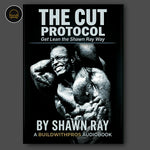
I don't do extreme cuts. I make small, deliberate adjustments, and I let time do the rest. The full cut, from setting up the deficit to the weeks after the show, is the subject of The Cut Protocol, and the final seven days before a show have their own guide in peak week in bodybuilding.
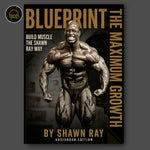
For the full reasoning behind why calories shift between phases, and how to avoid the common mistakes that wreck a contest prep, read The Bodybuilding Nutrition Blueprint. If you're over 35 and finding that what worked in your twenties no longer delivers the same lean look, that's a separate biological conversation about insulin sensitivity, covered in Insulin Sensitivity after 35 and Fat Loss, and the same material is available as an audiobook, The Insulin Sensitivity Blueprint.
How Training and Nutrition Work Together, Always
In the gym, the goal is simple. Convert calories into muscle. Heavy training, proper volume and recovery make that possible when nutrition supports the work.
Cardio is used strategically. Enough to support conditioning, not so much that it sacrifices muscle.
But here's what most people miss. As body fat drops, training frequency increases and nutrition tightens at the same time. Neither exists in isolation. Get one wrong and the other can't compensate.
Two pieces of this puzzle worth understanding properly:
- Mind-muscle connection. Feeling which muscles are actually driving each rep. I cover this in Targeting Muscle Groups.
- Recovery and rest. The part most lifters underestimate. Without it, the calories you eat and the work you do in the gym don't translate. That's the focus of Bodybuilding Rest and Recovery for Lifters.
What I Use in Addition to Food: Supplements That Actually Matter
Food does the heavy lifting. Supplementation fills in the gaps when food alone can't get there, particularly around recovery and consistency.
Which supplements actually matter (and which are noise) is its own conversation. I laid out the honest short list in Do Supplements Actually Work?, and the full breakdown is in The Supplement Guide Blueprint. It's the same logic I apply to my own routine. Nothing fashionable, nothing unproven.
Why I Don't Promise You Specific Numbers or Meal Plans
You'll notice I haven't given you exact numbers, macros or a meal plan on this page. That's deliberate.
What worked for me at 25 isn't what worked at 40, and isn't what works now. What worked for me wouldn't necessarily work for someone with a different metabolism, schedule, training history or goal. The principles apply to more bodies than mine: how they translate for women, including the shift after 35, is covered in How Women Build Muscle and Lose Fat, and for lifters losing weight on GLP-1 medication, the muscle-retention side is covered in GLP-1 and Muscle for Lifters and the comparison of the two fat-loss paths in Sustainable Fat Loss vs GLP-1 Fat Loss.
Principles travel. Specific plans don't. The Knowledge PDFs I've put together explain the principles. The videos walk you through how to think about applying them. The rest is your work.
For pro-level competitors and advanced lifters who want me to look at their specific situation directly, I offer Pro-Level Bodybuilding Coaching. Two 30-minute sessions via WhatsApp or FaceTime plus my full 7-video bundle. This is built for athletes already operating at a serious level, not for beginners or general fitness goals. If you've done the reading, you've put in the years, and you're stuck at a level where small adjustments matter most, that's when this conversation makes sense. If you'd rather build the knowledge yourself first, the training side of the method sits in one package in Train with the mindset of Shawn Ray.
Final Words on Eating, Training and Building Muscle for Life
There are no shortcuts in bodybuilding. Results come from discipline, patience and respect for the process. The full method, from training and nutrition through recovery, mindset and competing, runs in order through the Five Tracks on the BuildWithPros Education page.
Stay consistent. Stay focused. And remember, you are what you repeatedly do.
Shawn Ray
Frequently asked questions about the Shawn Ray diet
What is the Shawn Ray diet?
A set of repeatable principles rather than a meal plan: eat with purpose, keep food quality high year-round, and adjust gradually between offseason growth and pre-contest leaning out. There are no extreme cuts and no cheat days, because a weekly structure that is not a punishment needs no escape from it.
Does Shawn Ray eat cheat meals?
No, and not out of restriction. The all-or-nothing thinking behind cheat days is what ruins most diets, and a cheat day only makes sense when the rest of the week feels like punishment. When the weekly structure is sustainable, there is nothing to escape from.
How does Shawn Ray eat differently before a contest?
Gradually, not dramatically. As a contest approaches, carbohydrates come down, vegetables increase, and meal timing stays exactly where it was. The goal is protecting muscle while leaning out, which is why the changes are small, deliberate adjustments given time to work rather than extreme cuts.
Why does the Shawn Ray diet have no set macros or meal plan?
Because principles travel and specific plans do not. What worked at twenty-five was not what worked at forty, and a plan built for one metabolism, schedule, and training history does not transfer to another. The principles are the reference. Applying them to your own situation is the work.
About the source
This article is written by IFBB Hall of Famer Shawn Ray: 13-time Mr. Olympia competitor with 12 consecutive top-five finishes from 1990 to 2001, Mr. Olympia runner-up in 1994 and 1996, and 1991 Arnold Classic champion, across a career spanning nearly two decades. It follows the standard applied across the catalog: every method explained, nothing left to guesswork.
Disclaimer
This article is educational and informational content only. It is not medical or nutritional advice for the individual and not a substitute for professional care. Consult a qualified physician or registered dietitian before making meaningful changes to your diet or training, particularly with a diagnosed medical condition or prescription medications.