
The scale drops. The mirror improves. And quietly, the deadlift gets weaker.
In short
GLP-1 medication does not break down muscle. It enables a calorie deficit large enough that muscle leaves alongside fat unless protein and training hold the line. Four principles decide the outcome: protein does not get to drop with appetite, strength training is the keep-the-muscle signal, the scale is the least informative number in the phase, and the structure has to outlast the prescription.
Lifters on GLP-1 medication are losing weight faster than any generation before them, and a meaningful share of what they lose can be muscle. That outcome is not caused by the medication itself. It is caused by running a large calorie deficit without the protein intake and training structure that tell the body to keep its muscle. This article covers the four principles that decide whether weight loss on GLP-1 medication means progress or regression for a lifter. How the chain from reduced appetite to lost strength runs, link by link, is covered step by step in GLP-1 fatigue and strength loss.
"The goal was never just to weigh less. The goal is to keep the muscle you built while the fat comes off. Those are two different projects, and only one of them happens automatically."
From the BuildWithPros methodology
The principles below draw on two BuildWithPros titles that cover this ground in full: the GLP-1 Meal Plan Companion Guide for the eating side, and the GLP-1 Muscle Protection Blueprint for what the trials measured on muscle and how to hold the result when the medication stops.
The Problem: Weight Loss Is Not the Same as Fat Loss
Weight loss medication that works on appetite signals does one thing very well: it turns down hunger. For someone trying to lose body fat, that is a real advantage. The trap is what happens next. When appetite drops, food drops. When food drops, protein drops. When protein drops, training quality drops. And when training quality drops, the body sees no reason to hold onto muscle. The scale moves down, but a meaningful part of what is leaving is the tissue the lifter spent years building.
Body-composition scans across the major trials put a number on it. When people lose weight on GLP-1 medication, roughly a quarter to as much as forty percent of the total weight lost can come from lean mass rather than fat, and a pooled analysis in the journal Obesity put the average near thirty percent.
For the general population, that tradeoff might be acceptable. For a lifter, it is the difference between finishing the phase leaner and finishing it smaller. Muscle is not just appearance. It is metabolic engine, insurance against regain, and the foundation every future training phase builds on.
Why This Article Exists
Most content on weight loss medication is written for the general population. It treats every kilogram on the scale as a win. For a serious lifter, that framing is wrong. A lifter who loses ten kilograms on weight loss medication without protecting muscle has not lost ten kilograms of fat. They have lost a body they will need to rebuild.
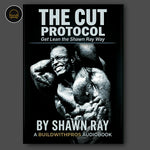
The principles below are drawn from the BuildWithPros approach to body composition during a deficit. The same approach to cutting without losing muscle, off medication and written by Shawn Ray himself, is the subject of The Cut Protocol. BuildWithPros translates that methodology into the systems lifters can use today, following the same standard as everything else on the site: every method explained, nothing left to guesswork. The full system, meal templates, weekly structure and adjustment rules, lives inside the GLP-1 Meal Plan Companion Guide.
Principle One: Protein Does Not Get to Drop with Appetite
The single biggest risk on weight loss medication is silent protein deficiency. Appetite suppression does not distinguish between a pastry and a chicken breast. It reduces the desire for all of it. The lifter who eats intuitively on medication will almost certainly under-eat protein, and under-eaten protein is the direct path to muscle loss in a deficit.
The fix is structural, not motivational. Protein gets planned first at every meal, before anything else goes on the plate. Portions get smaller, formats get easier, liquid protein, soft foods, smaller servings spread across the day, but the daily protein signal stays intact. The body keeps muscle when it receives regular evidence that the muscle is still needed and still supplied.
The mistake most lifters make is treating protein the way they did before medication: three big meals, two of them after training. On medication, that structure fails. Protein has to be spread out, prioritized first at every meal, and chosen in formats that go down easy on a low-appetite day. Why protein is the one requirement no fat loss phase can skip is covered in Can You Build Muscle Without Protein? Which foods to lean on and which to avoid on a low-appetite day, food by food, is covered in GLP-1 foods to avoid.
Principle Two: Strength Training Is the Keep-the-Muscle Signal
In a calorie deficit, the body looks for expenses to cut, and muscle is expensive tissue. The only argument that consistently convinces the body to keep it is regular strength training. Not cardio, not steps, not classes. Progressive resistance work, done consistently.
The good news is that the maintenance dose is smaller than most lifters think. Two to three short strength sessions per week, built around the basic movement patterns, is enough to send the signal. The sessions do not need to set records. They need to happen, every week, through the whole phase.
Lifters who try to maintain a six-day high-volume program while on weight loss medication are working against their own recovery. Recovery cannot keep up when calories and appetite are both reduced. A smaller, repeatable program done consistently beats a perfect program done partially. How far muscle loss can go without that signal, and what the major GLP-1 trials actually measured, is covered in the audiobook on GLP-1 muscle loss.
Principle Three: The Scale Is the Least Informative Number
On weight loss medication, the scale drops almost by default. That makes it the least useful measure of whether the phase is going well. The numbers that actually matter for a lifter: strength levels holding roughly steady, waist measurement going down, and the mirror showing the same shape with less fat over it.
If the scale is dropping fast and strength is dropping with it, the phase is going wrong, regardless of how the weight graph looks. That combination means the deficit is too large, the protein is too low, or the training has slipped, usually more than one at once. The response is an adjustment, not celebration.
Principle Four: The Phase Ends, The Structure Should Not
Every medication phase ends eventually, by choice, by cost, by prescription change. What determines whether the result holds is what was built during the phase. Appetite returns, and the lifter who spent the phase installing structure, protein-first meals, a repeatable training week, daily movement, walks into the next chapter with the habits already running. The lifter who let the medication do all the work starts over.
That is the honest framing of weight loss medication for lifters: it is a powerful tool for making the deficit manageable, and a terrible substitute for the structure that keeps the result. Use the phase to build the system. The comparison of the two paths, and how they combine, is covered in Sustainable Fat Loss vs GLP-1 Fat Loss.
What This Article Did Not Cover
This article covered the principles. It did not cover:
- The specific protein targets in grams, adjusted for body weight and appetite level
- The seven-day meal templates built for low-appetite days
- The exact training structure, sessions, movements, and the minimum effective dose
- The fourteen-day adjustment rules for stalls, strength drops, and side effect spikes
- The transition protocol for holding the result when the medication phase ends
For lifters who want the mechanism explained step by step, exactly how the chain from appetite loss to strength loss runs and where to break it, read GLP-1 Fatigue: Why You Feel Weak and Lose Strength.
Where to Go From Here
Two BuildWithPros titles cover this ground in full. They answer different questions, and many lifters on medication use both.
The GLP-1 Meal Plan Companion Guide
A 36-page PDF for the eating side. Protein targets in grams, a 7-day menu matched to three appetite levels, a food list for nausea and constipation, and the 14-day adjustment rules for stalls and strength drops. The judgment layer that works alongside whatever the prescribing clinician has set, never in place of it. Instant download after checkout.
The GLP-1 Muscle Protection Blueprint
An 11-chapter audiobook on GLP-1 muscle loss. What the major GLP-1 trials measured, why lean mass falls, the minimum effective dose of strength training across five movement patterns, and how to hold the result when the medication stops. Instant access after checkout.
Frequently asked questions about GLP-1 and muscle
Is weight loss on GLP-1 the same as fat loss?
No. The weight on the scale is made of fat, muscle, bone and water, and the medication does not choose which one leaves. For the general population that distinction rarely matters. For a lifter it is the difference between finishing a phase leaner and finishing it smaller, because muscle is the thing that gave the body its shape in the first place.
How much muscle is lost on semaglutide or tirzepatide?
Semaglutide is sold as Ozempic and Wegovy, and tirzepatide as Mounjaro and Zepbound. In the body-composition scans from the trials, lean mass made up around forty percent of the weight lost in the semaglutide trial STEP 1, and roughly a quarter to a third in the tirzepatide trial SURMOUNT 1. The numbers vary from study to study and person to person, and protein and strength training are what hold the line.
Should you keep lifting weights while on GLP-1 medication?
Yes. Working out on GLP-1 is the single strongest signal that tells the body to keep muscle during weight loss. Without it, the body has no reason to prioritize muscle when calories are low. Two to three short, consistent strength sessions per week protect more muscle than occasional intense workouts, and they are easier to sustain when appetite and energy are down.
How do you know if fat loss on GLP-1 is going well?
Not from the scale, which drops almost by default on medication. The honest signals are strength holding roughly steady on a few key lifts, waist measurement going down, and the mirror showing the same shape with less fat over it. If the scale is falling fast and strength is falling with it, the phase is going wrong regardless of how the weight graph looks.
What happens to your results when the GLP-1 phase ends?
Appetite returns, and what holds is whatever structure was built during the phase. A lifter who spent it installing protein-first meals, a repeatable training week and daily movement walks into the next chapter with the habits already running. A lifter who let the medication do all the work starts over.
Why is GLP-1 advice for lifters different from general weight loss advice?
Because most content on weight loss medication treats every kilogram on the scale as a win. A lifter who loses ten kilograms without protecting muscle has not lost ten kilograms of fat. They have lost a body they will need to rebuild, and rebuilding takes far longer than the phase that cost it.
About the source
This article is published by BuildWithPros and draws on the GLP-1 Meal Plan Companion Guide and the GLP-1 Muscle Protection Blueprint from the BuildWithPros catalog. Both titles are built on the published trial data and on the standard applied across the catalog: every method explained, nothing left to guesswork.
Educational content only, not medical advice.
This article is published by BuildWithPros for general educational and informational purposes. It is not medical advice, not a medication guide, and not a substitute for care from your doctor, prescriber, pharmacist, registered dietitian, or other licensed healthcare professional. This article does not tell you to start, stop, switch, delay, or change any medication or dose. All medication decisions should be made with your own clinician.
Before applying any of the principles in this article, consult a qualified healthcare professional, particularly if you are pregnant, trying to become pregnant, breastfeeding, use insulin or a sulfonylurea, have significant nausea or vomiting, dehydration, kidney problems, gallbladder problems, pancreatitis, diabetic eye disease, a history of serious allergic reactions, a personal or family history of medullary thyroid carcinoma, MEN2, or an upcoming procedure, surgery, sedation, or anesthesia.
Always follow the official prescribing information for your medication and the instructions of your licensed clinician. Individual responses vary. Nothing in this article guarantees weight loss, muscle retention, symptom relief, safety, or long-term results.
Any exercise or dietary change carries inherent risks. BuildWithPros and its contributors are not liable for any loss, injury, or damages resulting from the use or misuse of the information in this article.
Ozempic and Wegovy are registered trademarks of Novo Nordisk A/S. Mounjaro and Zepbound are registered trademarks of Eli Lilly and Company. BuildWithPros is not affiliated with, sponsored by, or endorsed by either company.
Seek urgent medical care right away if you develop severe or persistent vomiting, signs of dehydration, severe abdominal pain, trouble breathing, swelling of the face or throat, black or bloody stools, or other severe or rapidly worsening symptoms.